ECB's Lagarde Reportedly Blocked Binance's EU Crypto License
Christine Lagarde allegedly intervened to prevent Binance from securing a MiCA license, raising questions about regulatory independence in Europe.
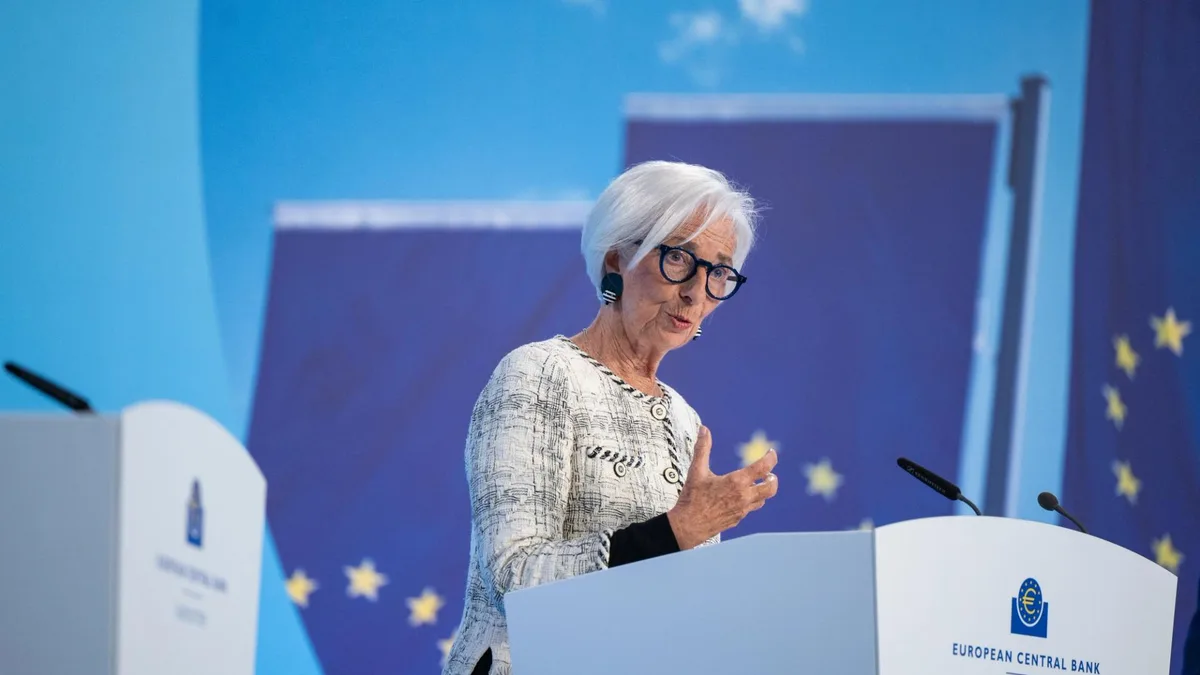
European Central Bank President Christine Lagarde reportedly stepped in to block cryptocurrency exchange Binance from obtaining a regulatory license under the European Union's Markets in Crypto-Assets (MiCA) framework, according to a report from the Wall Street Journal. The intervention, if confirmed, would represent an unusually direct exercise of central bank influence over a licensing process that many observers assumed would be driven primarily by national regulators.
MiCA, which represents the EU's landmark attempt to bring legal clarity to the digital asset sector, was designed to create a unified licensing regime across member states. A MiCA license would have allowed Binance to operate across the EU's single market from a single regulatory home — a significant commercial prize for the world's largest crypto exchange by trading volume. Lagarde's reported involvement suggests that high-level political and financial stability concerns may carry more weight in that process than the framework's technical rules alone imply.
Read more South Korea's Lee Rejects Military Role in Middle East Conflict →
The episode adds a new dimension to Binance's already complicated regulatory history. The exchange has faced enforcement actions and licensing setbacks in multiple jurisdictions, including the United States, where it reached a landmark settlement with the Department of Justice in 2023. A rebuff at the EU level, particularly one allegedly originating from the continent's most powerful monetary authority, signals that Binance's path to mainstream regulatory legitimacy in major Western markets remains steep.
More broadly, the reported intervention raises substantive questions about the governance architecture of MiCA itself. If senior EU officials can informally influence licensing outcomes, it may prompt exchanges and legal experts to reconsider how predictable and rules-based the framework truly is — a concern that could affect not just Binance but any non-European crypto firm seeking a foothold in the bloc. Transparency around such decisions will likely become a focal point for the industry going forward.
Continue reading at CoinDesk.