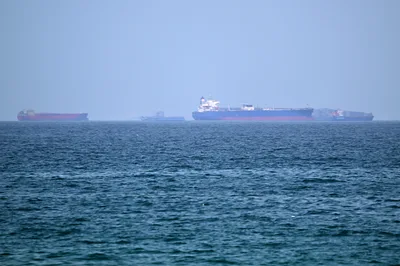
How Iran Tensions Could Hurt Airlines and Homebuilders Beyond Gas Prices
Rising U.S.-Iran tensions may ripple well beyond the gas pump, hitting airlines and homebuilders hardest, according to Wall Street analysts.
When geopolitical flashpoints flare in the Middle East, the instinct is to watch crude oil prices and brace for pain at the gas pump. But Wall Street's read on President Trump's declaration that the Iran cease-fire has ended points to a more complex set of economic consequences — ones that could weigh heavily on sectors far removed from energy markets.
Airlines rank among the most exposed industries in this scenario. Jet fuel is one of the largest operating costs for carriers, and any sustained spike in oil prices triggered by heightened tensions with Iran would compress margins that are already thin. Unlike trucking companies or manufacturers that can hedge fuel costs over longer horizons, airlines operate on pricing cycles that make rapid cost absorption particularly painful.
Read more Hormuz Strait Traffic Recovery Pushed to 2027, Traders Warn →
Homebuilders represent a less intuitive but equally telling casualty. The mechanism here runs through interest rates rather than fuel costs: geopolitical uncertainty tends to push investors toward safe-haven assets, which can paradoxically both lower Treasury yields and stoke inflationary pressures — a volatile combination for mortgage markets. When borrowing costs become unpredictable, buyer confidence erodes and new-home demand softens, squeezing builders who have already been navigating an affordability-constrained market.
What is striking about Wall Street's assessment is how restrained the optimism is for oil companies themselves. Conventional wisdom holds that energy producers benefit directly from rising crude prices, yet analysts appear skeptical that this tension will deliver a clean, durable windfall to the sector — suggesting markets are pricing in uncertainty rather than opportunity on the supply side as well.
The broader takeaway is that modern geopolitical risk radiates through supply chains, consumer confidence, and capital markets in ways that defy simple sector-by-sector predictions. Continue reading at MarketWatch.com