Michael Burry Bets on DraftKings and Flutter Amid Prediction Market Fears
The 'Big Short' investor is wagering that regulators will rein in prediction markets, giving established sportsbooks a competitive edge.
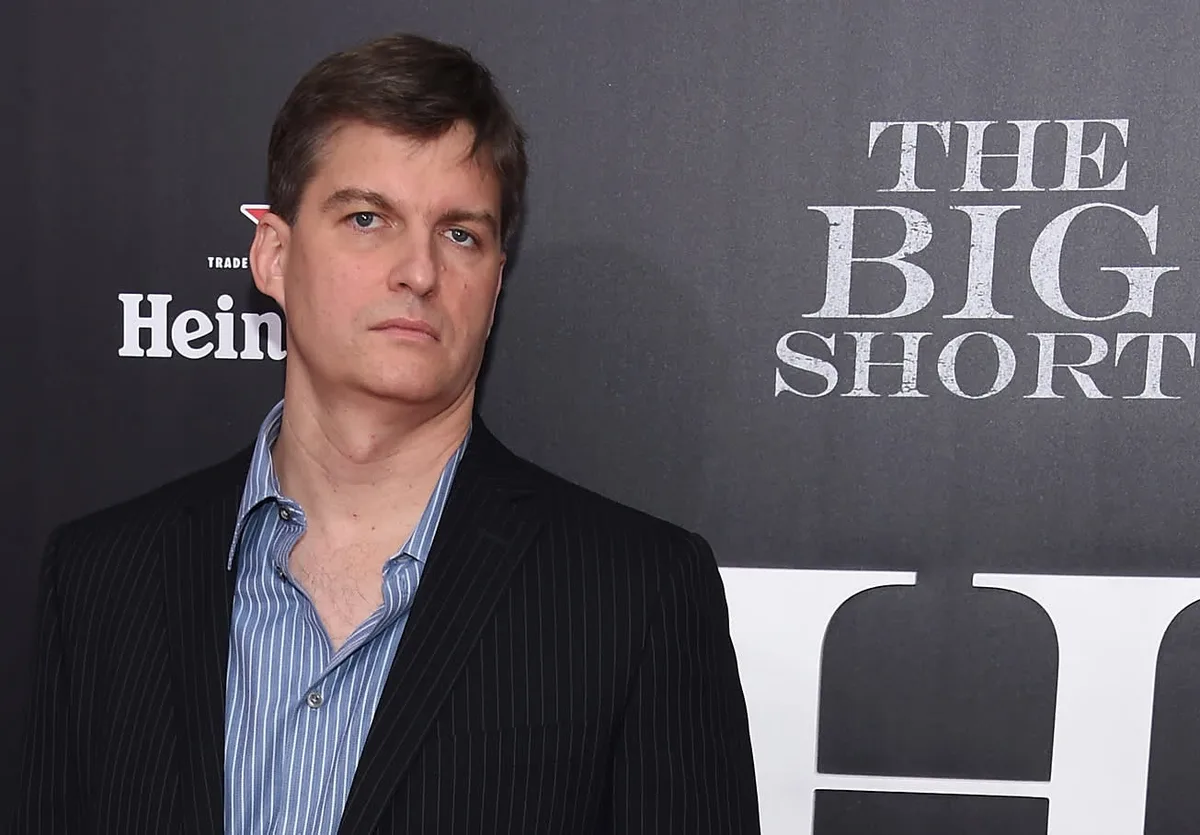
Michael Burry, the contrarian investor made famous by his prescient bet against the U.S. housing market, has placed new wagers on two of the largest regulated sportsbook operators: DraftKings and Flutter Entertainment. The move signals that Burry sees a meaningful opportunity in a sector that has come under pressure from the rapid rise of prediction markets — digital platforms that allow users to speculate on the outcomes of real-world events ranging from elections to economic data releases.
The thesis at the heart of Burry's position is regulatory, not operational. Prediction markets have grown swiftly in recent years, attracting users who might otherwise have placed bets through licensed sportsbooks. That competitive encroachment has weighed on the stock valuations of established players like DraftKings and Flutter, whose business models depend on a defined legal framework and the consumer habit of routing sports wagers through regulated channels. Burry appears to believe that framework will ultimately reassert itself.
Read more Hormuz Strait Traffic Recovery Pushed to 2027, Traders Warn →
The logic is straightforward but not without risk: regulators in the United States have historically moved to bring financial activity involving real-money speculation under tighter oversight, particularly when retail participation expands rapidly. If authorities conclude that prediction markets function more like unregistered financial instruments than games of skill or chance, enforcement actions or outright restrictions could materially shrink the competitive threat facing traditional sportsbooks.
For investors, Burry's positioning offers a lens through which to view the broader tension between financial innovation and regulatory inertia. Established sportsbooks carry licenses, pay taxes, and operate within state-by-state compliance structures — an infrastructure that is costly but also constitutes a durable moat if regulators decide to level the playing field. Whether the timeline for that regulatory intervention aligns with Burry's investment horizon remains the central uncertainty in the trade.
Continue reading at US Top News and Analysis.