Small-Cap Stocks Draw Options Traders Seeking Next Market Move
With major indexes in a holding pattern, options activity suggests traders are turning to small-caps for directional clues.
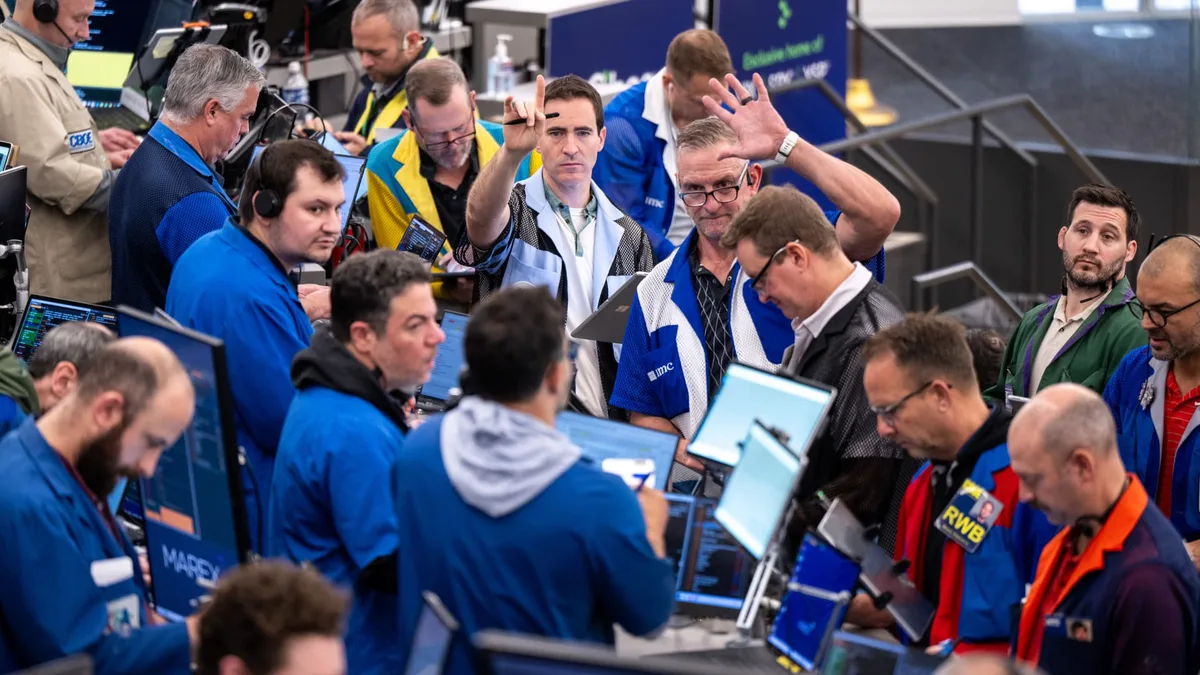
When large-cap equities stall and volatility compresses, sophisticated traders tend to hunt for the next live wire — and right now, that wire runs through small-cap stocks. A notably large options trade in the small-cap space emerged Thursday, standing out as one of the biggest single options transactions across the entire market that session, according to CNBC.
The signal matters because options flow of that magnitude rarely reflects a casual bet. Institutional and professional traders deploying serious capital into small-cap derivatives are typically positioning for a decisive move, either to the upside or downside, rather than expressing a directional conviction with high certainty. The ambiguity itself is informative: when the smart money hedges rather than bets clean, it often reflects genuine uncertainty about which catalyst arrives first.
Read more Renewable Energy Holds Strong Despite Political Headwinds →
Small-cap indexes have historically served as a sensitive barometer for domestic economic sentiment. Unlike their large-cap counterparts, smaller companies are more exposed to U.S. credit conditions, regional consumer demand, and interest rate fluctuations — making them a logical arena for traders who believe a macro catalyst is imminent but aren't yet certain of its character. A rally in small caps can signal broadening economic confidence, while a breakdown can foreshadow tightening financial conditions hitting Main Street before Wall Street.
What Thursday's activity underscores is a market in a search mode — participants are not sitting on conviction but are actively positioning for resolution. Whether that resolution arrives through Federal Reserve guidance, earnings data, or a shift in the macroeconomic narrative remains to be seen. For now, small caps have become the arena where traders are placing their anticipatory chips.
Continue reading at CNBC.