Treasury Sets Low-Cost Investment Rules for Trump Accounts
New Treasury guidance shapes how Trump Accounts must be structured, prioritizing affordable investment options for account holders.
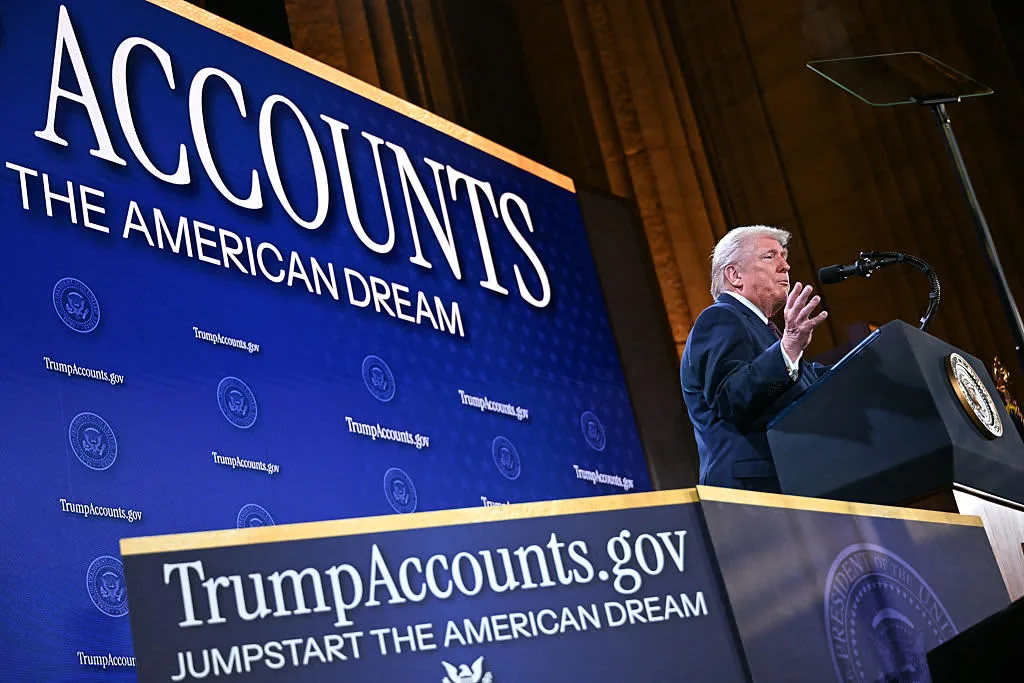
The Treasury Department has released formal guidance governing so-called Trump Accounts, with a clear emphasis on keeping investment costs low for participants. The move signals that federal regulators intend to place affordability at the center of this new savings vehicle, a design choice that carries significant implications for how financial institutions will be allowed to structure and market these accounts.
Low-cost investment mandates are not a novel concept in federal retirement and savings policy — the shift toward index funds and fee transparency in 401(k) plans over the past decade reflects a broader regulatory philosophy that excessive fees quietly erode long-term wealth accumulation. By embedding similar principles into Trump Account rules from the outset, Treasury appears to be attempting to prevent the fee-laden product structures that have historically disadvantaged lower-income savers in other vehicles.
Read more Iran Executes Man Tied to January Protests, State Media Reports →
The guidance puts pressure on banks, brokerages, and other financial intermediaries who might otherwise see a new account category as an opportunity to introduce higher-margin products. Institutions will need to evaluate their existing product lineups to determine which offerings can meet the cost thresholds implied by the new rules, and compliance costs could reshape the competitive landscape among providers.
For individual savers, the practical effect of a low-cost mandate — if enforced rigorously — could be meaningful over time. Even modest differences in annual fees compound dramatically across decades of saving, meaning that structural rules favoring cheap index-style exposure over actively managed products could translate into materially better outcomes for account holders who stay invested long-term.
The full downstream impact of Treasury's guidance will depend on implementation details that regulators and industry participants are still absorbing. Continue reading at US Top News and Analysis.