Trump Expresses Doubt on Iran Deal Amid Escalating Strait Tensions
Trump cast doubt on pursuing a diplomatic agreement with Iran as U.S. Central Command reported strikes on Iranian military assets near the Strait of Hormuz.
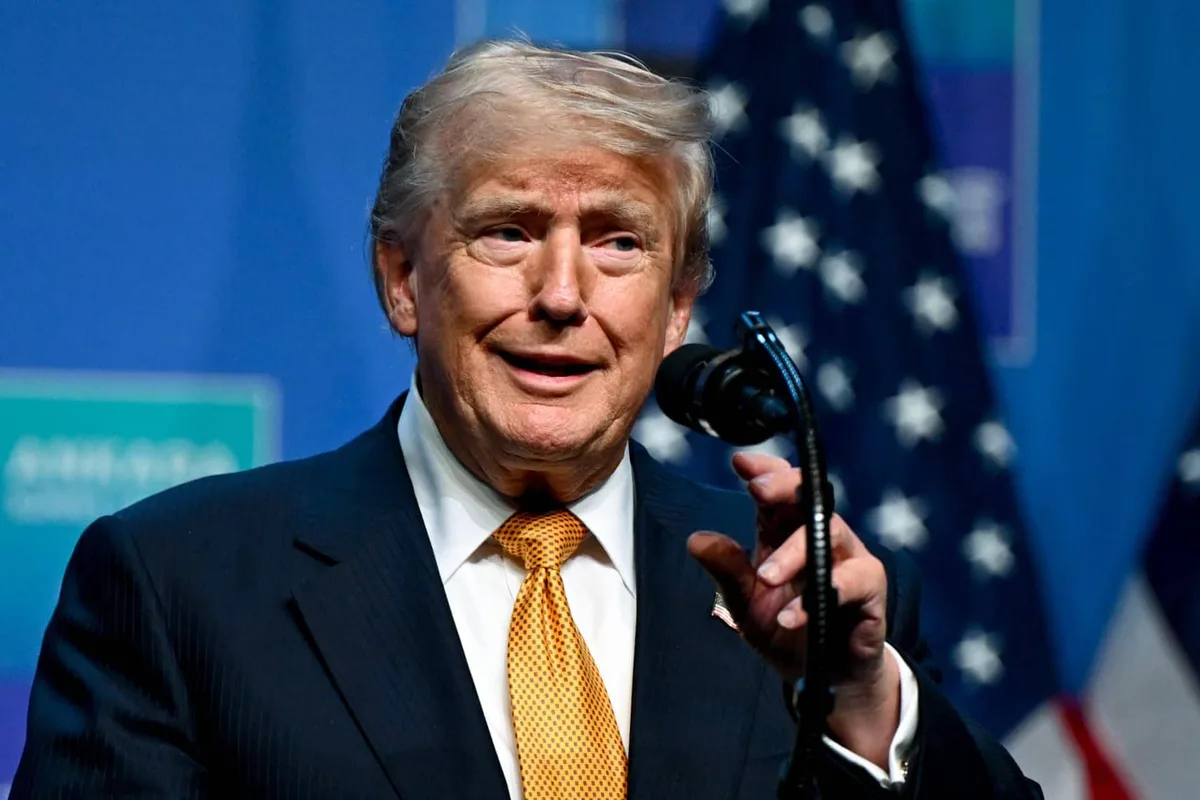
President Donald Trump publicly questioned whether the United States even wants a nuclear or diplomatic deal with Iran, a striking rhetorical shift that came as American military forces were actively striking Iranian targets in and around the strategically vital Strait of Hormuz. The comments signal a deepening ambiguity at the highest levels of U.S. foreign policy — one that markets and regional allies will be watching closely.
U.S. Central Command confirmed it launched dozens of strikes against Iranian military infrastructure and small boats operating in the region. The operational scope suggests a deliberate effort to degrade Iran's capacity to threaten commercial and naval traffic through the strait, through which a significant portion of the world's seaborne oil supply passes. The scale of the strikes points to a campaign rather than a one-off retaliatory action.
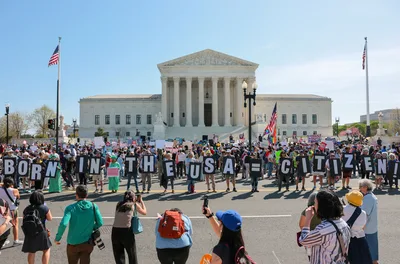
Read more Trump Pushes Supreme Court to Rehear Birthright Citizenship Case →
Trump also warned that additional military action could come as soon as the same evening, language that raises the immediate prospect of further escalation. Such public telegraphing of potential strikes is unusual and could reflect either a deliberate pressure strategy aimed at Tehran or an improvised approach to an intensifying confrontation — or both simultaneously.
The juxtaposition of Trump's ambivalence toward a deal with active military operations creates a complicated diplomatic signal. Historically, U.S. administrations have used military pressure as leverage to bring adversaries to the negotiating table. But openly stating uncertainty about wanting a deal at all removes a key incentive for Iran to de-escalate, potentially narrowing the off-ramps available to both sides and raising the risk that the current exchange of fire becomes something larger and harder to contain.
Continue reading at US Top News and Analysis.