War Insurers Urge Shipowners to Halt Hormuz Transits After Attacks
War risk underwriters are advising clients to pause voyages through the Strait of Hormuz following recent attacks, signaling elevated concern in global shipping corridors.
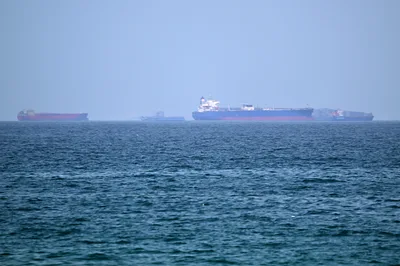
The Strait of Hormuz, the narrow chokepoint through which roughly a fifth of the world's oil supply flows, is once again at the center of maritime risk calculations. War risk insurers — the specialized underwriters who price the cost of conflict exposure for commercial vessels — are now counseling shipowners to suspend transits through the strait following a fresh series of attacks, according to sources familiar with the guidance.
The advisory represents a significant escalation in how the insurance market is responding to regional instability. War risk coverage is distinct from standard marine insurance and typically requires separate, often costly, riders. When underwriters advise pausing voyages rather than simply repricing premiums, it signals that the risk calculus has crossed a threshold where financial instruments alone are no longer seen as adequate mitigation.
Read more Hormuz Strait Traffic Recovery Pushed to 2027, Traders Warn →
The practical consequences for global energy markets are considerable. The Hormuz corridor connects the Persian Gulf's oil-producing states to markets in Asia, Europe, and beyond. Any sustained disruption — whether from physical attacks or simply from shipowners heeding insurer guidance — can tighten crude supply chains and inject volatility into oil benchmarks. Tanker operators face a compounding squeeze: higher war risk premiums, potential difficulty securing coverage at any price, and growing pressure from charterers uncertain about delivery timelines.
Historically, insurer advisories of this nature have preceded broader market dislocations. During the 2019 Gulf of Oman tanker incidents, war risk premiums spiked sharply within days of attacks, and several underwriters temporarily withdrew coverage for the region entirely. The current situation echoes that pattern, though the specific scope and scale of the latest attacks have not been fully detailed in available sourcing.
For commodity traders, energy importers, and logistics planners, the underwriters' posture is itself a leading indicator worth monitoring closely — a quiet signal from the institutions that price geopolitical risk for a living that conditions in one of the world's most critical waterways remain genuinely precarious. Continue reading at Reuters.