Who Qualifies for the IRS Gas Tax Deduction and How to Maximize It
With gas prices potentially heading back toward $4, understanding who can claim IRS mileage deductions matters more than ever.
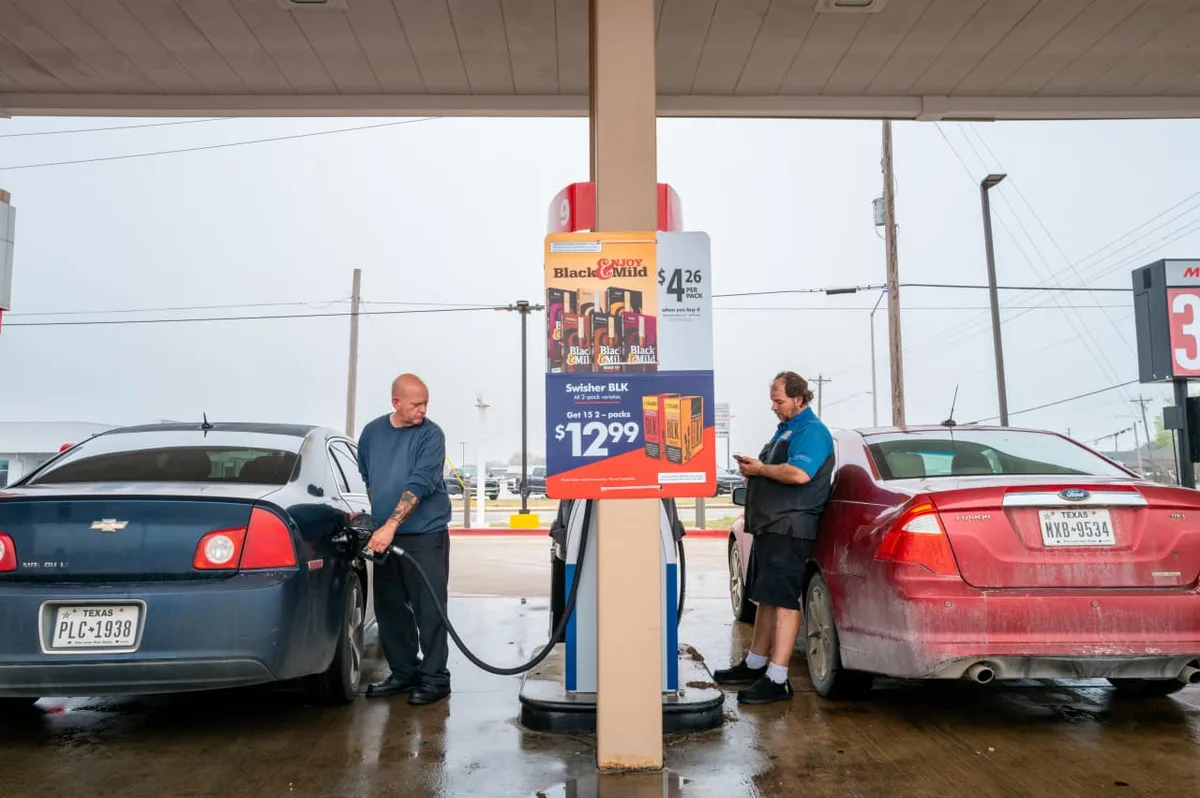
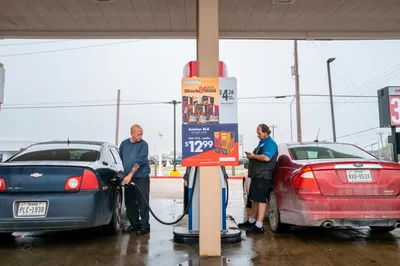
As fuel-industry analysts warn that gasoline prices could climb back toward $4 per gallon in the near term, the question of who qualifies for IRS-related tax relief on fuel costs takes on renewed urgency for American drivers and small-business owners alike. Not everyone who fills up a tank can claim a deduction — the rules are specific, and the distinction matters at tax time.
The IRS mileage deduction is not a universal benefit. It is available primarily to self-employed individuals, small-business owners, and certain professionals who use a personal vehicle for qualifying work purposes. Traditional W-2 employees lost access to unreimbursed employee expense deductions following the 2017 Tax Cuts and Jobs Act, meaning the benefit is now concentrated among those who file Schedule C or operate as independent contractors.
Read more At 67 With a Pension, Should You Delay Social Security to Age 70? →
There are two primary methods for claiming vehicle-related tax relief: the standard mileage rate, which the IRS sets annually and adjusts based on fuel and operating costs, and the actual expense method, which requires meticulous tracking of all vehicle-related costs including gas, insurance, repairs, and depreciation. Choosing the right method depends on how much you drive for work and the overall operating costs of your vehicle — a calculation worth running carefully before filing.
With fuel costs elevated and potentially rising further, the actual expense method could yield a larger deduction for high-mileage drivers with fuel-inefficient vehicles, while the standard mileage rate offers simplicity and predictability. Either way, documentation is the cornerstone of any successful claim — the IRS expects detailed mileage logs that record dates, destinations, and business purposes for every trip claimed.
For taxpayers who qualify, treating the gas-price environment as a planning prompt rather than just a household budget concern could meaningfully reduce their tax liability. Continue reading at MarketWatch.com