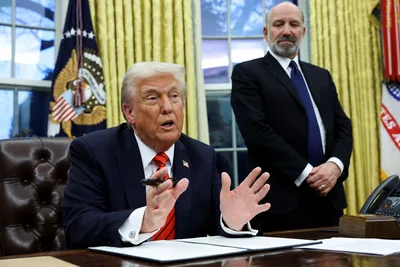
Bessent Says US-Iran Talks Could Reopen Strait of Hormuz This Week
Treasury Secretary Bessent signals a potential deal with Iran on Strait of Hormuz access could emerge as soon as Tuesday or Wednesday.
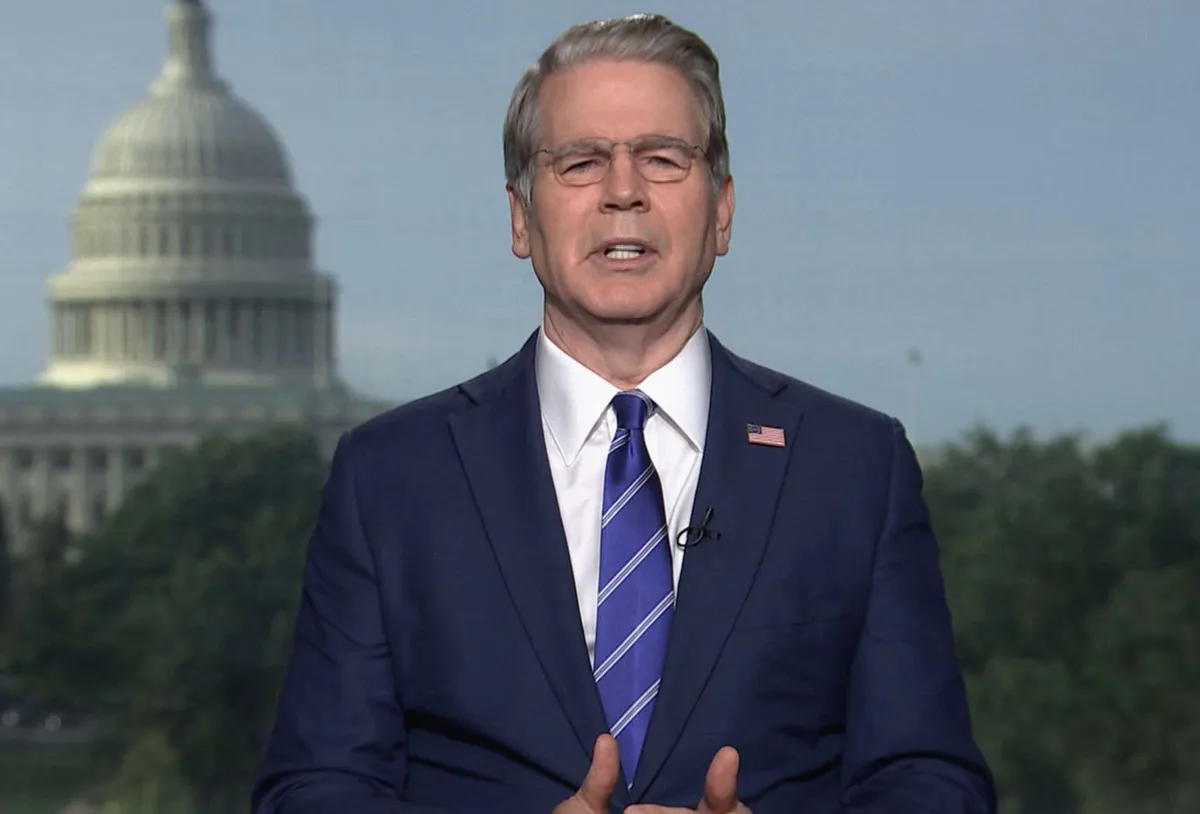
Treasury Secretary Scott Bessent disclosed Tuesday that the United States is actively engaged in negotiations with Iran that could result in a landmark agreement to restore freedom of movement through the Strait of Hormuz, one of the world's most strategically critical maritime chokepoints. Speaking on CNBC's "Squawk Box," Bessent suggested a deal could materialize as soon as Tuesday or Wednesday, a timeline that would represent an unusually swift diplomatic development given the long-standing tensions between Washington and Tehran.
The Strait of Hormuz carries an outsized weight in global energy markets — roughly 20 percent of the world's oil supply transits the narrow waterway between Iran and Oman. Any disruption to shipping through the strait has historically sent crude prices sharply higher, making the prospect of a negotiated "freedom of movement" arrangement consequential not just geopolitically but for inflation and energy costs that American consumers feel directly.
Read more Democrats Press Trump, Lutnick Over Critical Mineral Deal Ties →
Bessent's comments are notable for who is delivering them. As Treasury secretary, his public involvement in what is essentially a maritime security and foreign policy negotiation signals that economic considerations — sanctions relief, oil market stability, or both — are likely central to whatever framework is being discussed. His choice of the phrase "freedom of movement" suggests the talks may focus on ensuring commercial and potentially military passage rights rather than a broader diplomatic normalization.
The disclosure comes at a moment of heightened scrutiny over US-Iran relations, with ongoing uncertainty about the status of nuclear negotiations and Iran's regional posture. A near-term agreement on Hormuz passage, if achieved, would mark a rare concrete breakthrough in a relationship defined by decades of hostility. Markets and energy traders will be watching closely for any official confirmation in the hours ahead.
Continue reading at US Top News and Analysis.