Brent Crude Tops $90 as U.S.-Iran Tensions Escalate Again
Oil markets surged Monday after U.S. forces struck Iranian targets, pushing Brent crude above the $90 threshold for the first time in weeks.
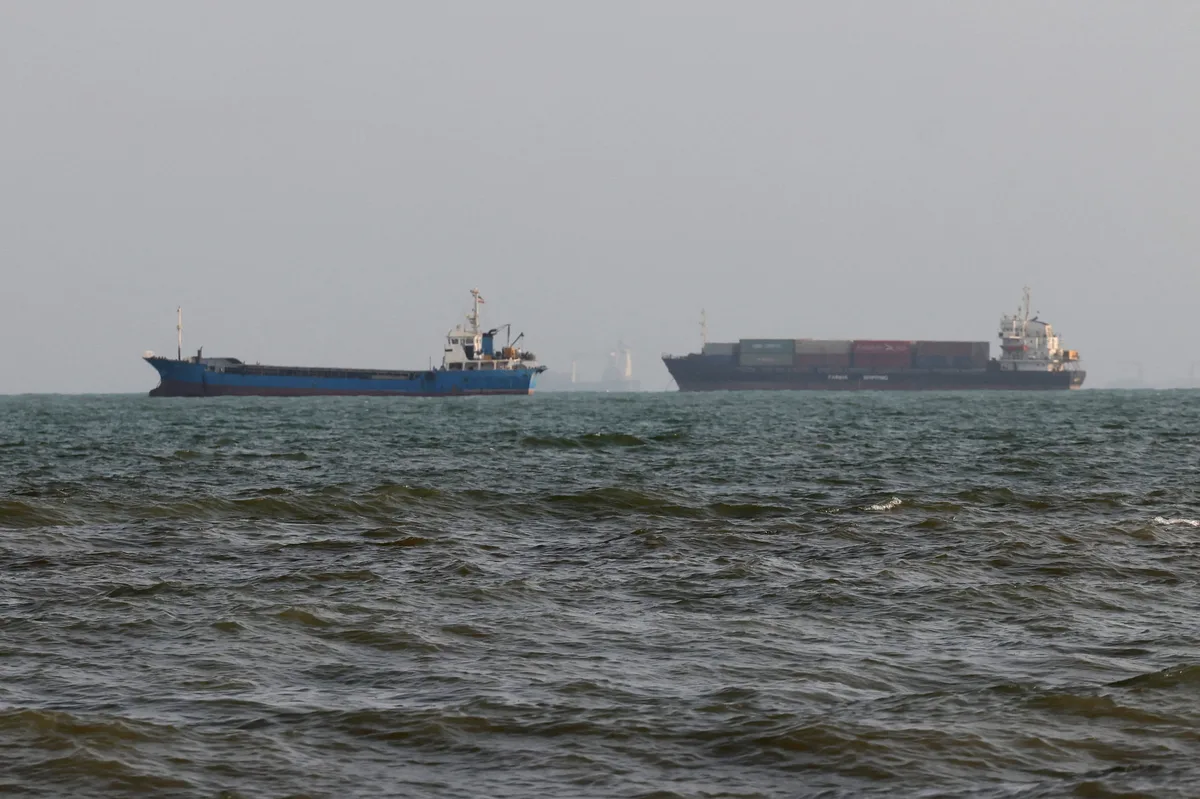
Global oil markets responded sharply to renewed geopolitical friction Monday, with Brent crude climbing above $90 per barrel following the first U.S. military strikes against Iranian targets in several weeks. The move underscores how sensitive energy prices remain to any escalation in Middle East tensions, a region that sits at the center of global petroleum supply chains.
The price jump reflects a well-established pattern in commodity markets: when hostilities involving major oil-producing or transit regions flare, traders price in a risk premium almost immediately. Iran, despite operating under heavy U.S. sanctions, remains a significant player in regional oil flows, and any hint of broader conflict raises concerns about supply disruptions in the strategically critical Persian Gulf.
Read more Bitcoin Eyes Third Consecutive Winning Week Amid Market Turmoil →
What makes Monday's move notable is the speed and magnitude of the market reaction, suggesting that investor positioning had not fully anticipated a fresh round of direct military engagement between Washington and Tehran. Brent's crossing of the $90 level is psychologically significant, a threshold that tends to amplify inflation concerns among policymakers and consumers alike, particularly at a moment when central banks in the U.S. and Europe are still navigating price stability challenges.
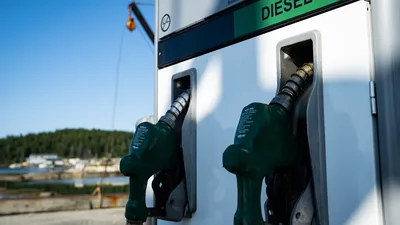
For everyday Americans, higher crude prices translate relatively quickly into elevated costs at the gas pump and in household energy bills, adding a tangible economic dimension to what might otherwise appear to be a distant foreign-policy story. The broader question markets will watch is whether this exchange represents an isolated incident or the beginning of a more sustained escalation that could keep upward pressure on oil prices in the weeks ahead.
Continue reading at US Top News and Analysis