THC Beverage Boom Faces Federal Uncertainty as Hemp Rules Stall
THC drinks have surged as an alcohol alternative, but repeated Congressional delays on hemp regulation are creating serious headwinds for the industry.
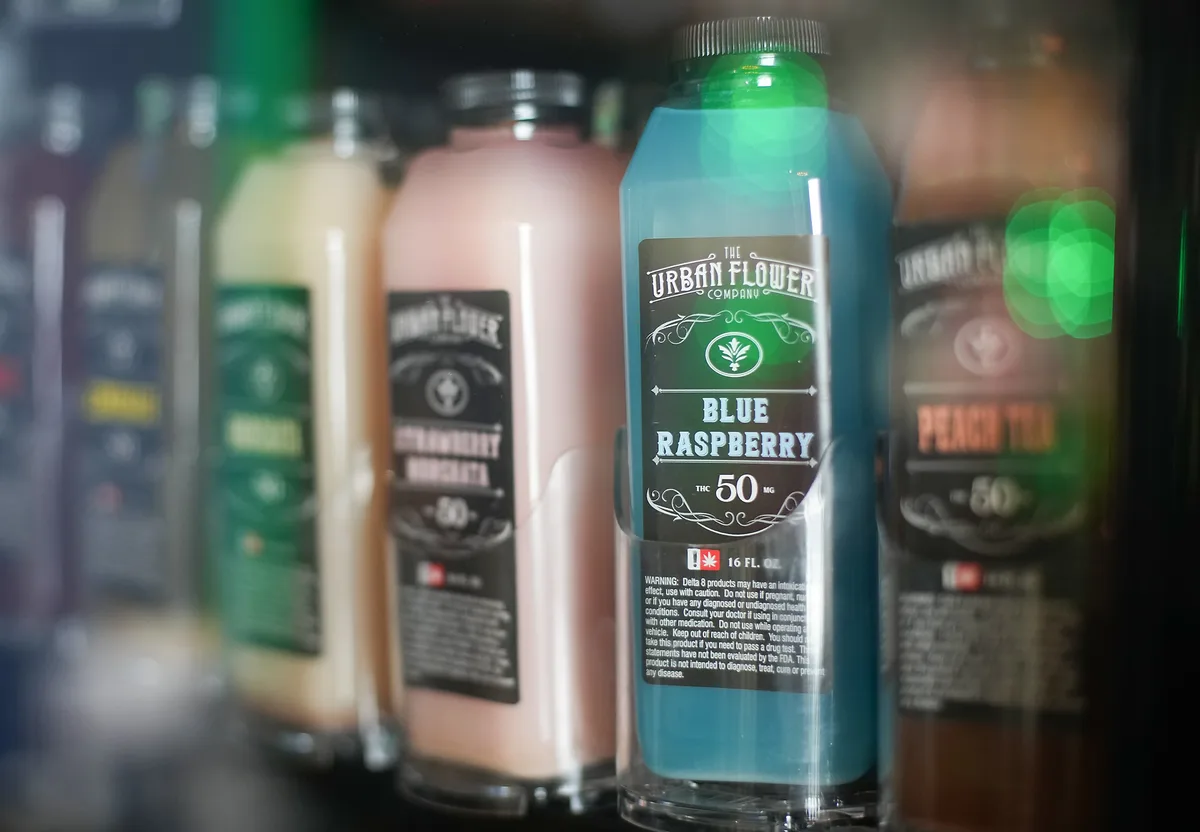
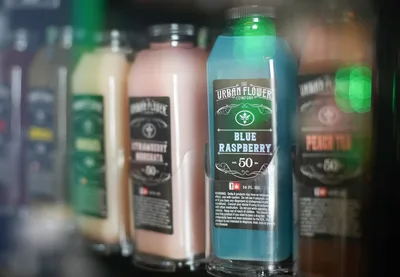
The market for THC-infused beverages has expanded rapidly in recent years, positioning itself as a mainstream alternative to alcohol for consumers seeking a buzz without the hangover. Craft producers, regional distributors, and specialty retailers have all leaned into the category, sensing a generational shift in how Americans choose to unwind. That momentum, however, now runs directly into an unresolved federal regulatory question that could fundamentally reshape who gets to sell these products — and where.
At the heart of the issue is the legal gray zone created by the 2018 Farm Bill, which legalized hemp and, by extension, hemp-derived cannabinoids including certain forms of THC. That legislative window allowed an entire consumer goods sector to emerge with relatively little federal oversight. Congress has repeatedly signaled its intent to close or narrow that opening, but has delayed action each time, leaving businesses unable to plan and consumers uncertain about future access.
Read more Trump Pledges Up to $500M of Personal Funds for 2026 GOP Midterms →
The consequences of that legislative paralysis are not abstract. Makers of THC drinks must weigh capital investment against the possibility that a new federal framework could restrict their products to licensed dispensaries or ban certain formulations outright. Distributors operating across state lines face compounding risk, since state-level rules vary dramatically and a federal shift could invalidate existing supply chains overnight. For consumers, the practical effect could be sharply reduced availability at the grocery stores, bars, and online retailers where these drinks are currently sold.
What makes this moment analytically significant is that it reflects a broader pattern in U.S. drug policy — incremental tolerance followed by belated regulatory reckoning. The alcohol industry, which has watched THC beverages encroach on its market share, has lobbied aggressively for stricter oversight. Meanwhile, hemp advocates argue that abrupt prohibition would punish an industry that built itself in good faith under existing law. The longer Congress waits, the more disruptive any eventual rule change becomes for all parties involved.
Continue reading at US Top News and Analysis.