THC Beverages Face Uncertain Future Amid Stalled Federal Rules
Hemp-derived THC drinks are surging as an alcohol alternative, but repeated Congressional delays on regulation are creating market uncertainty.
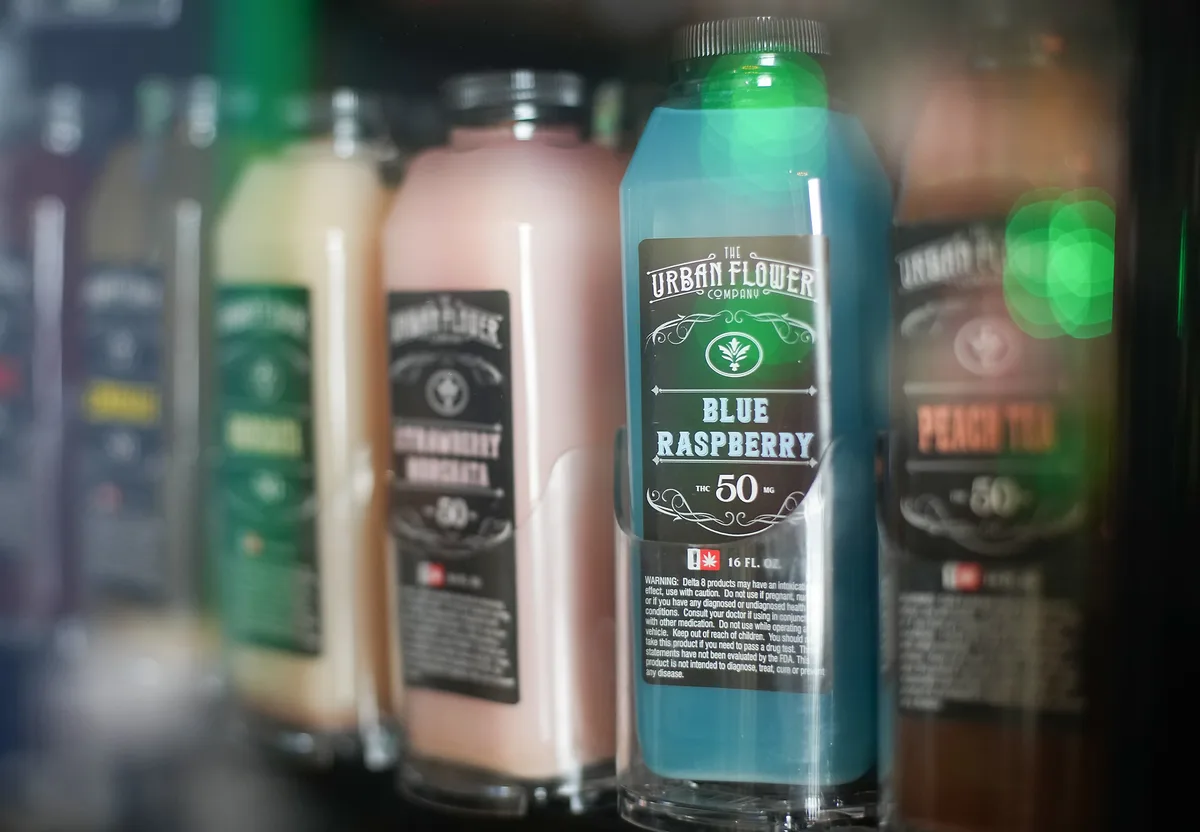
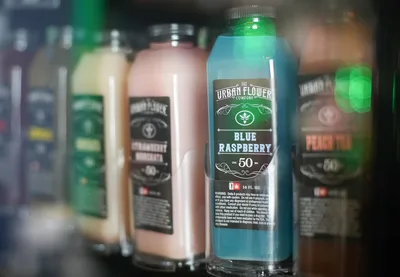
Hemp-derived THC beverages have carved out a surprisingly robust niche in the American consumer market, positioning themselves as a sophisticated alternative to alcohol at a moment when sober-curious culture is gaining mainstream traction. The sector has expanded rapidly, moving from specialty shops into mainstream retail channels, driven by consumers seeking the social effects of a mild intoxicant without the caloric and physiological downsides of beer or spirits.
Yet the industry's momentum is running headlong into a prolonged regulatory standoff in Washington. Congress has repeatedly delayed action on legislation that would more clearly define — and potentially restrict — the legal status of hemp-derived intoxicants like delta-8 and delta-9 THC. The 2018 Farm Bill created the legal opening for these products by legalizing hemp, and lawmakers have struggled ever since to agree on guardrails that balance consumer safety with the commercial interests of a fast-moving industry.
Read more Trump Pledges Up to $500M of Personal Funds for 2026 GOP Midterms →
The practical consequences of that inaction are already rippling through the supply chain. Producers operating in the space face persistent uncertainty about whether federal authorities will eventually move to restrict or ban the compounds they depend on. Distributors, caught between state-level rules that vary widely and an ambiguous federal posture, have grown cautious. And consumers in states where hemp THC products are currently accessible could find the market thinning if Congressional action finally materializes in a more restrictive form.
What makes the situation analytically interesting is that the delay itself functions as a kind of de facto permissiveness — every month Congress fails to act is another month the market consolidates, builds consumer loyalty, and grows harder to unwind politically. Industry advocates understand this dynamic well and have strong incentives to extend the regulatory limbo. Critics, including some public health researchers and traditional cannabis operators who operate under far stricter state licensing frameworks, argue the current gray zone creates inequitable and potentially unsafe conditions.
The outcome will likely hinge on how Congress ultimately reauthorizes the Farm Bill and whether hemp intoxicants are treated as a public health question or an agricultural commerce question — a framing choice with enormous consequences for who wins and who loses. Continue reading at US Top News and Analysis.