Trump's Rate-Cut Trade Threat Draws Economist Alarm
Trump suggested halting trade with surplus nations unless the Fed cuts rates, drawing sharp pushback from economists over potential economic fallout.
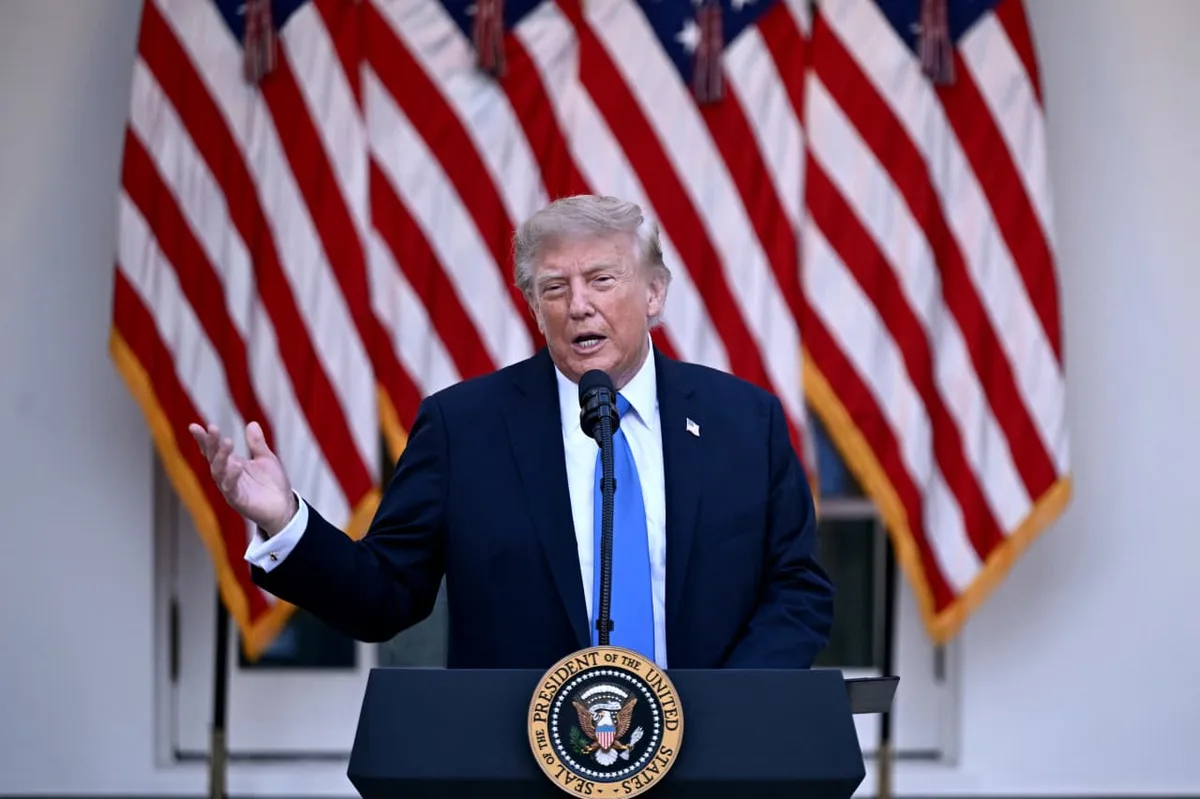
President Donald Trump escalated his pressure campaign against the Federal Reserve on Friday, floating a provocative idea: the United States could cease trade with countries that run a trade surplus with America unless the central bank moves to lower interest rates. The statement immediately drew criticism from economists and market analysts who warned the proposal, if enacted, would amount to an extraordinary and disruptive economic shock.
The threat is notable for several reasons beyond its bluntness. Linking trade policy to monetary policy decisions conflates two entirely separate levers of economic management. The Federal Reserve operates independently of the executive branch precisely to insulate interest-rate decisions from political interference — a principle that financial markets have long treated as foundational to U.S. economic credibility. Any erosion of that credibility carries real costs, including upward pressure on long-term borrowing rates and downward pressure on the dollar's reserve-currency status.
Read more Women Drove Nearly All U.S. Job Gains in August 2024 →
The practical dimensions of the threat are equally significant. The United States runs trade deficits with a large number of its major trading partners, including China, the European Union, Mexico, and Vietnam, among others. A blanket suspension of trade with all surplus nations would represent a near-total unraveling of decades of international commerce and supply-chain integration — a move that economists widely agree would raise consumer prices, reduce availability of goods, and likely trigger retaliatory measures abroad.
Analysts noted that Trump has historically used maximalist rhetoric as a negotiating tactic, leaving open the question of whether the statement reflects a concrete policy intention or a pressure-campaign maneuver. Even so, market participants and policymakers tend to price in tail risks when a sitting president raises them publicly, meaning the statement itself carries market-moving potential regardless of follow-through. The episode adds another layer of uncertainty to an already fragile global trade environment shaped by ongoing tariff disputes.
Continue reading at MarketWatch.com