Fed Nominee Warsh Vows 'Regime Change' on Monetary Policy
Kevin Warsh pledged to overhaul Fed policy and eliminate inflation, framing persistent price increases as a 'tax' on ordinary Americans.
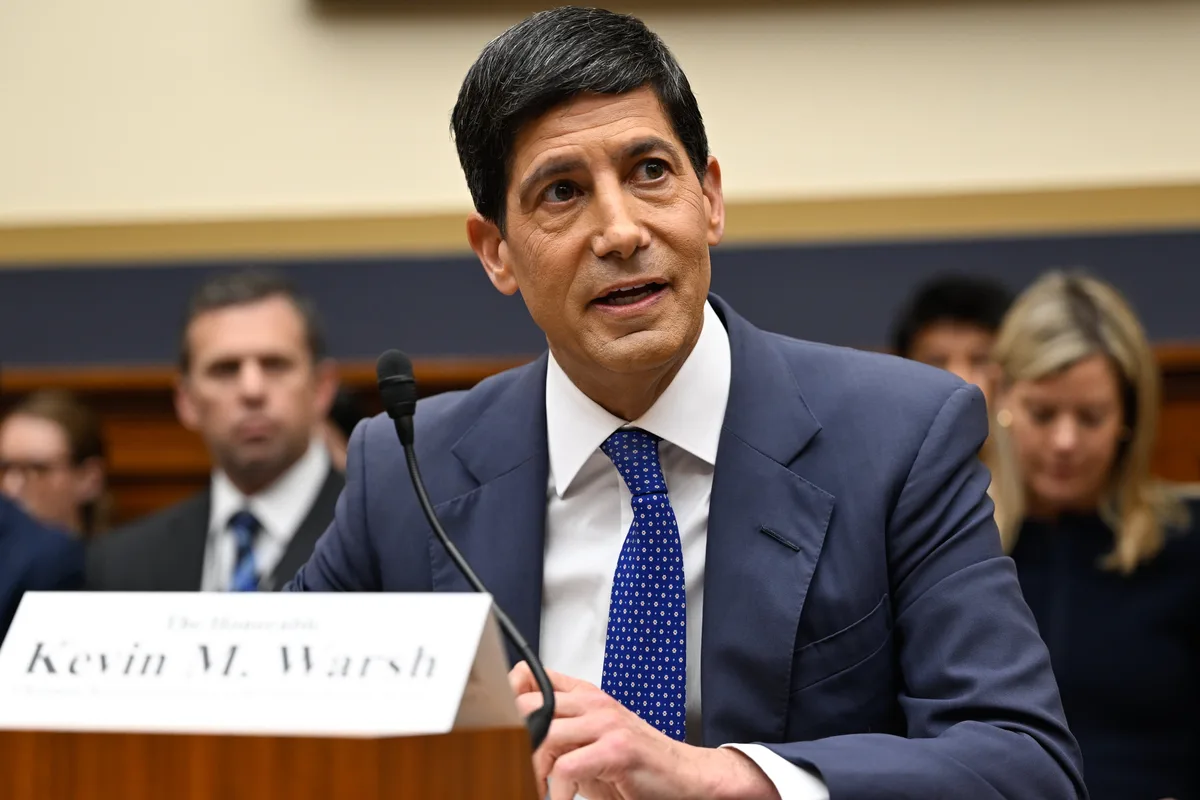
Kevin Warsh, President Trump's reported choice to lead the Federal Reserve, used unusually pointed language this week to describe his ambitions for the central bank, pledging what he called a fundamental "regime change" in how monetary policy is conducted. The framing signals a more aggressive posture toward price stability than the institution has projected in recent years, and it sets up a potentially significant philosophical shift at one of the world's most consequential economic institutions.
Warsh's choice of words — casting inflation as a "tax" on the American people — is deliberate and politically resonant. Economists have long noted that inflation functions as a regressive burden, eroding the purchasing power of lower- and middle-income households more acutely than it affects the wealthy. By adopting that framing, Warsh appears to be positioning the Fed's price-stability mandate not merely as a technocratic goal but as a matter of economic fairness.
Read more U.S.-Iran Tensions Put $4 Gas Back on the Table for Drivers →
The pledge to "get monetary policy right" implicitly acknowledges a period of institutional shortcoming. The Fed has spent the better part of five years navigating a bruising inflation cycle that began during the pandemic reopening, drew widespread public criticism, and forced an aggressive rate-hiking campaign that reshaped borrowing costs across the economy. For Warsh, that history is apparently the baseline from which a new approach must depart.
What a "regime change" would look like in practice remains an open question. The term carries weight in academic monetary economics, often referring to a durable shift in the rules or frameworks guiding policy decisions — not simply a change in personnel. Whether Warsh envisions revisiting the Fed's 2 percent inflation target, altering its communication strategies, or restructuring its decision-making processes is not yet clear from his public remarks.
The stakes are high. A newly directed Federal Reserve could reshape mortgage rates, corporate borrowing costs, and the broader investment climate at a moment when the U.S. economy is still recalibrating from years of monetary turbulence. Continue reading at US Top News and Analysis.