Tim Scott to Question Kevin Warsh on AI and Data Centers at Fed Hearing
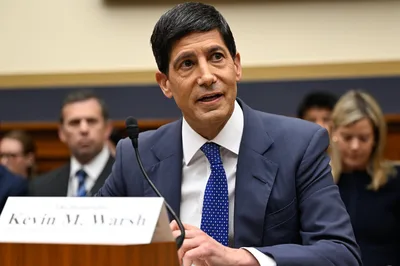
Sen. Tim Scott will grill Fed chair nominee Kevin Warsh on AI infrastructure and data centers in his Senate Banking Committee debut.
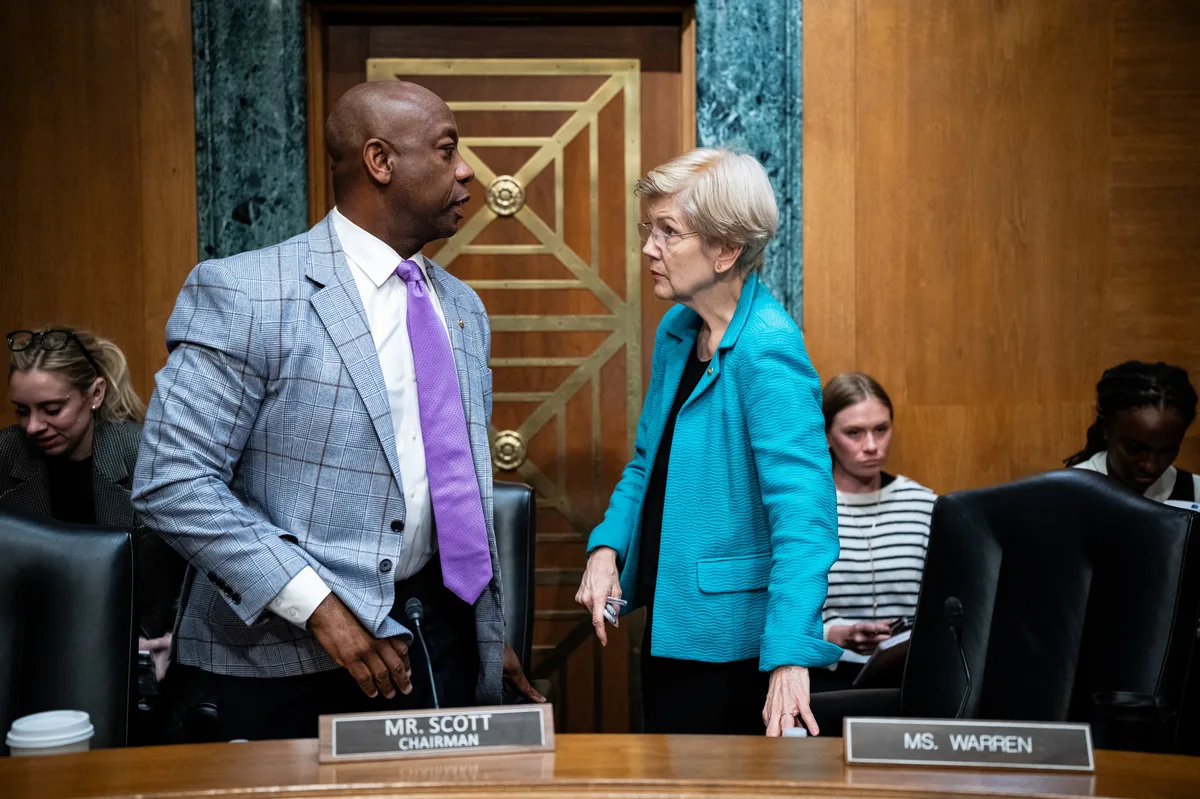
Senator Tim Scott of South Carolina is set to put Federal Reserve Chairman Kevin Warsh in the hot seat on Wednesday, using the Senate Banking Committee hearing to probe Warsh's thinking on two of the most consequential economic forces reshaping the American landscape: artificial intelligence and data center infrastructure.
It marks Warsh's first appearance before the committee in his capacity as Fed chairman, a milestone that traditionally sets the tone for how a central bank leader engages with congressional oversight. Scott's decision to steer the conversation toward AI and data centers signals that lawmakers are increasingly viewing technology infrastructure as a monetary and financial stability issue, not merely a tech-sector curiosity.
Read more U.S.-Iran Tensions Put $4 Gas Back on the Table for Drivers →
The intersection of AI investment and Federal Reserve policy is a genuinely complex terrain. Massive capital expenditures flowing into data centers have implications for credit markets, energy demand, and long-term productivity growth — all variables that feed directly into how the Fed calibrates interest rates and assesses economic conditions. By raising these topics early in Warsh's tenure, Scott is arguably nudging the central bank to develop a more explicit analytical framework around AI-driven economic shifts.
Warsh, a former Fed governor and Hoover Institution fellow, has long been associated with a more hawkish monetary stance, and his confirmation represents a significant philosophical shift for the institution. How he responds to questions about emerging technology's macroeconomic footprint could offer early clues about the intellectual priorities he plans to bring to the role and whether the Fed under his leadership will treat AI-fueled capital investment as inflationary pressure or as a structural productivity tailwind.
Continue reading at US Top News and Analysis.