Hyundai's U.S. Surge: A $7.6B Georgia Plant Fuels More Growth
Hyundai has outpaced every automaker in U.S. market share gains and is betting a massive new Georgia factory will extend that lead.
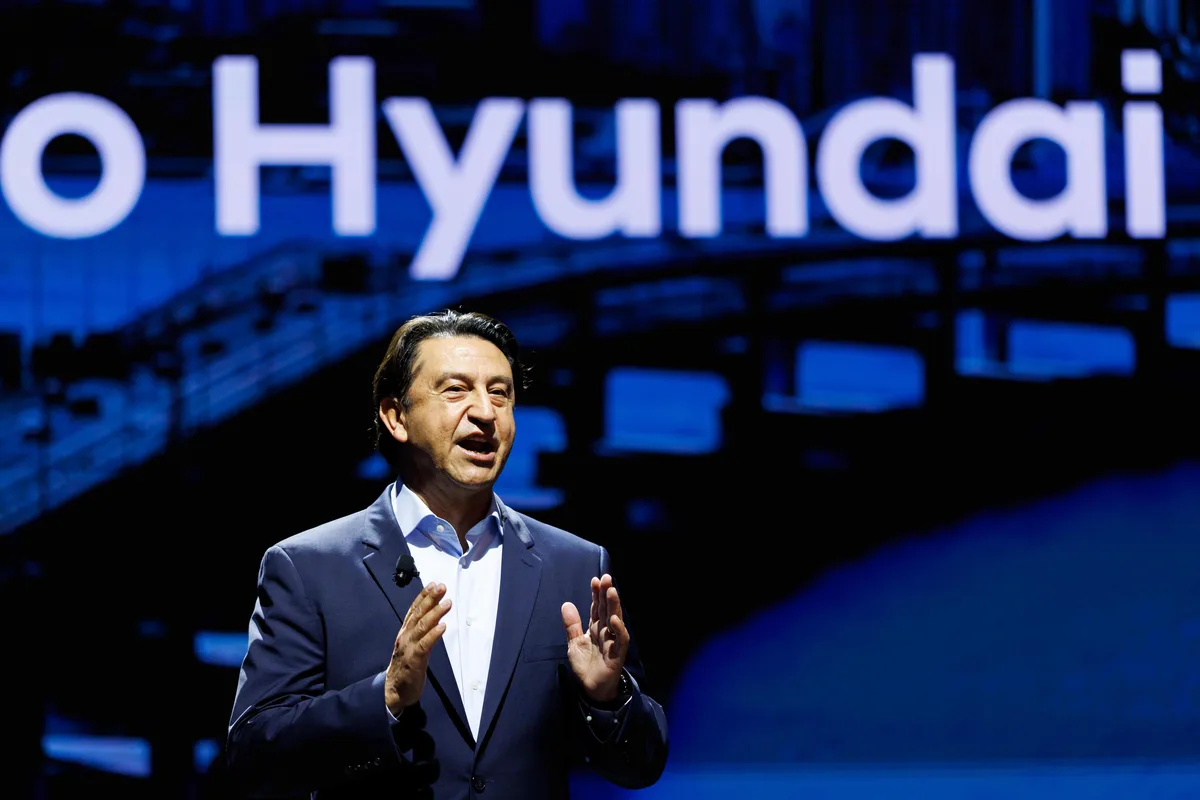
Among the major players competing for American car buyers, Hyundai has done something no other automaker has managed: it has grown faster than all of them in the U.S. market. That trajectory reflects a years-long strategic push by the South Korean company to move upmarket, expand its lineup, and build vehicles that resonate with American consumers across multiple price points and vehicle categories.
Now Hyundai is doubling down on that momentum with a $7.6 billion manufacturing facility in Georgia — one of the largest single automotive investments in recent U.S. history. The plant is designed to ramp up domestic production capacity significantly, allowing Hyundai to capture additional sales and market share while also hedging against trade policy risks that have made foreign-assembled vehicles more vulnerable to tariffs and political pressure.
Read more HPE CEO Says AI Demand Is Broad-Based Across Customer Segments →
The Georgia investment carries strategic weight beyond raw output numbers. By manufacturing on American soil, Hyundai positions itself favorably in an era of economic nationalism and supply chain scrutiny. Domestic production can also shorten delivery timelines, reduce logistics costs, and qualify vehicles for incentives under policies that reward U.S.-based manufacturing — all of which can sharpen the company's competitive edge against both Detroit automakers and foreign rivals.
The broader context here is significant: Hyundai's rise in the U.S. has coincided with sustained stumbles among legacy American brands and intensifying competition in the electric vehicle segment, where Hyundai and its Kia and Genesis sister brands have drawn considerable consumer interest. Whether the Georgia plant can sustain — and accelerate — that growth curve will be one of the defining automotive business stories of the next several years.
Continue reading at US Top News and Analysis.