New York Overtakes San Francisco as Top U.S. Tech Talent Hub
A new CBRE report finds New York has displaced San Francisco at the top of the tech talent market, with AI roles driving nearly a third of all U.S. listings.
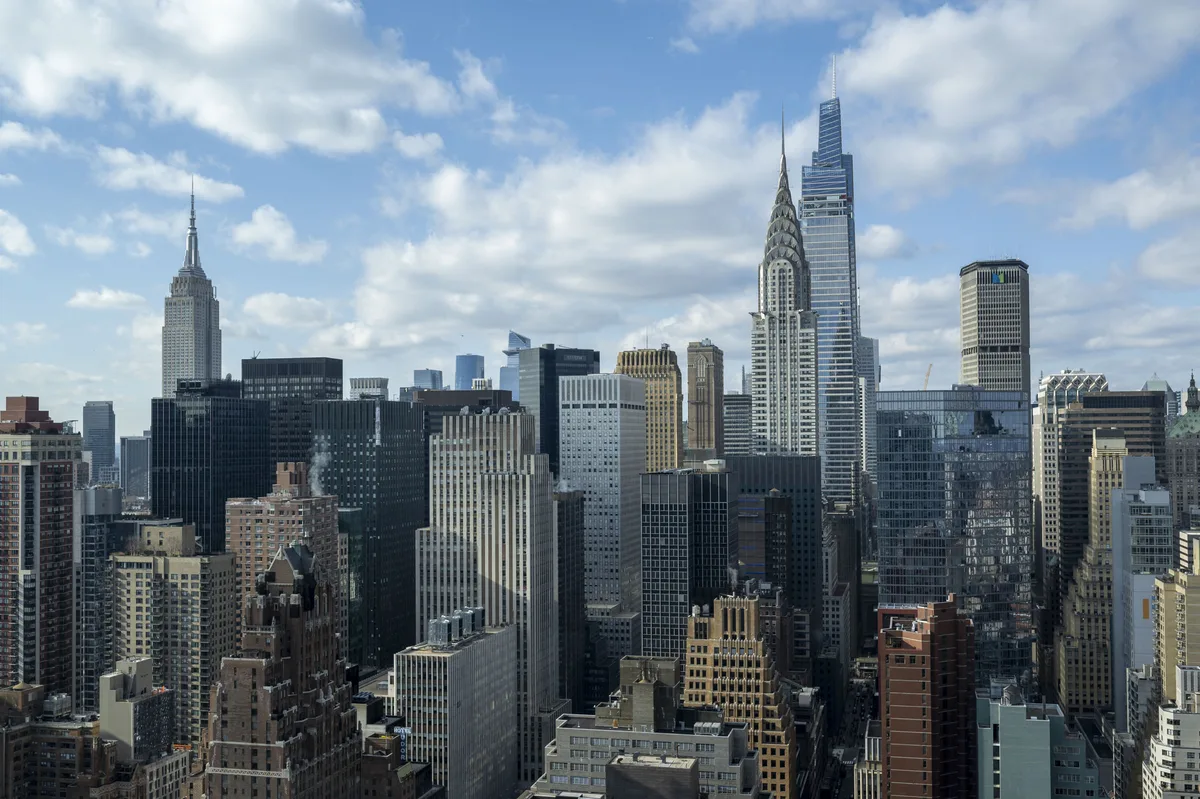
For decades, San Francisco's Bay Area wore the crown of American technology employment almost without challenge. That dominance has now ended, according to a new report from commercial real estate and advisory firm CBRE, which positions New York City as the country's leading market for tech talent — a shift with significant implications for where the industry's next chapter gets written.
The data arrives at a moment when artificial intelligence is reshaping what "tech talent" even means. CBRE found that AI-related roles now account for nearly one-third of all tech-sector job listings across the United States, suggesting that demand is no longer concentrated in traditional software engineering alone. New York's diverse economy — spanning finance, media, healthcare, and advertising — may be providing a broader base of employers competing for workers who can apply AI across industries, rather than building it in isolation.
Read more HPE CEO Says AI Demand Is Broad-Based Across Customer Segments →
The ranking also reflects broader geographic shifts that accelerated after the pandemic. Remote-work norms loosened the grip that Silicon Valley once held over engineering careers, and rising costs in the Bay Area pushed both workers and companies to reconsider their footprints. New York, with its dense talent pool and access to major enterprise clients, was arguably better positioned than most cities to absorb that migration.
For policymakers and urban planners, the CBRE finding is a signal worth tracking. Tech employment has historically concentrated wealth and tax revenue in ways that reshape city budgets and housing markets. If New York is genuinely consolidating its position as the primary destination for tech workers — particularly those skilled in AI — the economic ripple effects could be substantial and durable, rather than a temporary pandemic-era anomaly.
Continue reading at US Top News and Analysis.