Perpetual Futures Push Wall Street Into a 24/7 Trading Reckoning
Crypto-born 'perps' are pressuring traditional exchanges as investors demand nonstop market access and continuous price discovery.
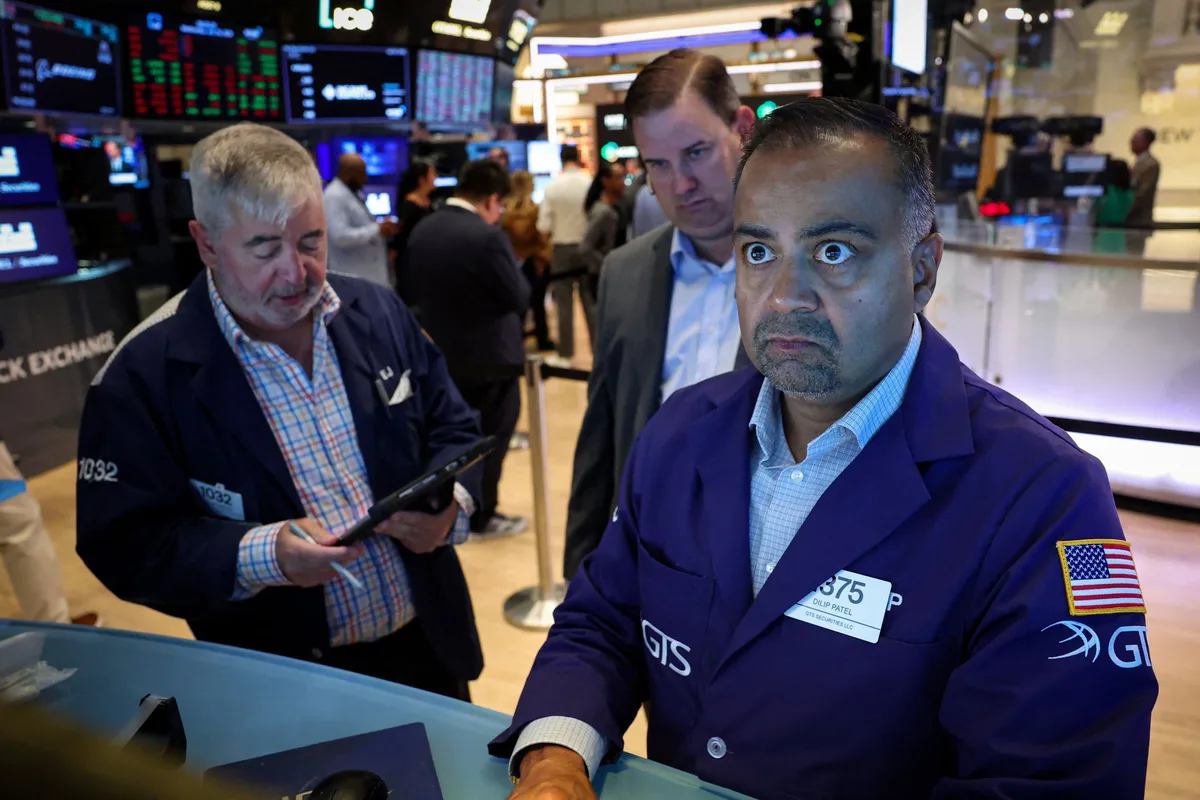
A financial instrument that never expires — and never sleeps — is forcing a long-overdue reckoning on Wall Street. Perpetual futures, known in trading circles as "perps," originated in cryptocurrency markets but are now pressing against the boundaries of traditional finance, where exchanges, regulators, and risk managers are grappling with what around-the-clock derivatives trading actually means for market structure.
Unlike conventional futures contracts, which settle on a fixed date, perpetual futures have no expiration. That seemingly simple design difference carries enormous structural implications: traders can hold positions indefinitely, funding rates replace the usual settlement mechanics, and the concept of a market "close" effectively disappears. For institutional players accustomed to overnight risk resets and defined settlement windows, perps represent something genuinely disruptive rather than merely incremental.
Read more Bitcoin Eyes Third Consecutive Winning Week Amid Market Turmoil →
The urgency stems from investor behavior. As retail and institutional participants alike have grown accustomed to crypto's always-on trading environment, appetite for continuous access to equity and commodity exposure through similar instruments has intensified. Exchanges that once operated on the assumption that markets open and close are now confronting the possibility that their legacy infrastructure and rulebooks may be misaligned with where demand is heading.
The deeper tension here is regulatory and operational. U.S. market overseers have built surveillance, margin, and systemic-risk frameworks around the rhythm of a trading day. Perpetual futures, by design, disrupt that rhythm entirely. Whether existing frameworks can absorb these instruments — or whether new ones must be constructed — is a question whose answer will shape the competitive landscape for exchanges in the years ahead. The institutions that treat this as an existential question now may be better positioned than those that wait for regulators to force their hand.
Continue reading at US Top News and Analysis.