Private Equity Eyes Utility Sector as AI Drives Power Demand
AI's surging energy appetite is drawing private equity firms into the utility space, reshaping how the grid gets funded and controlled.
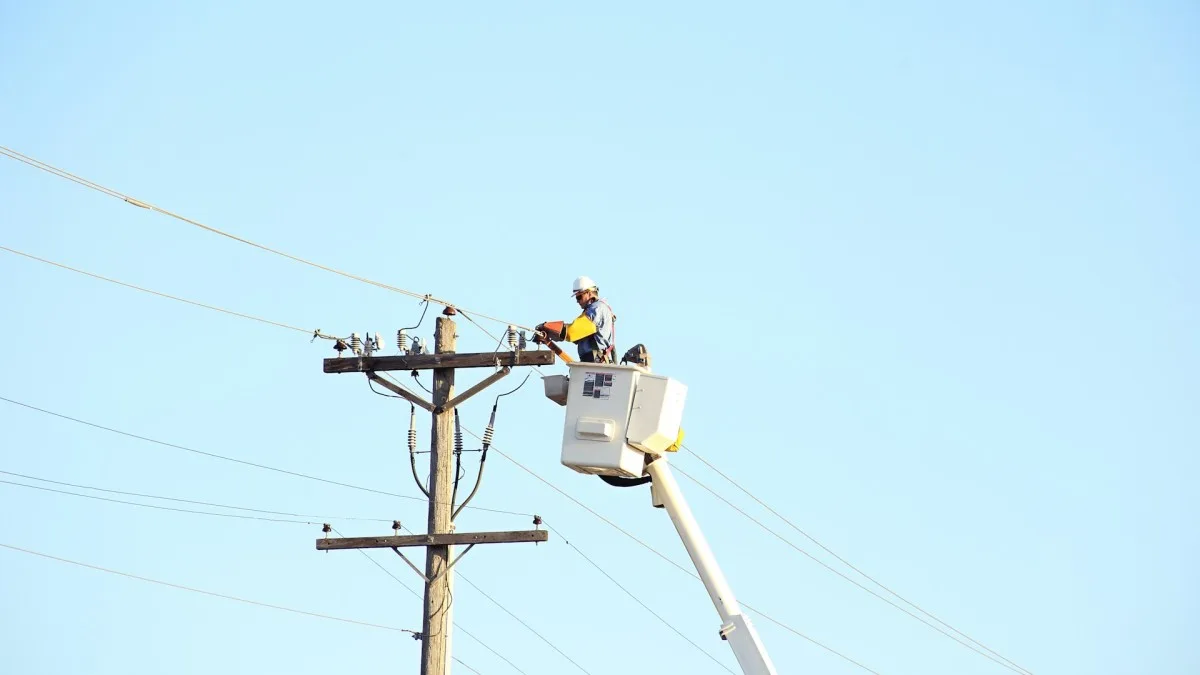
The intersection of artificial intelligence and energy infrastructure is creating one of the most consequential investment shifts in recent memory. As data centers multiply to support the computational demands of large language models and cloud services, the electric grid is facing pressure that traditional utility financing was never designed to absorb. Private equity firms, long accustomed to seeking returns in more liquid markets, are increasingly eyeing utilities as a durable, high-demand asset class.
The logic is straightforward: AI workloads require enormous, uninterrupted power, and the existing grid in many parts of the United States is simply not built to deliver it at the scale and speed that technology companies require. That gap between supply and demand represents exactly the kind of structural inefficiency that private capital tends to exploit. Where public utility commissions and regulated monopolies move slowly, private equity can theoretically move faster — deploying capital into generation, transmission, and grid modernization without the bureaucratic friction of the regulatory rate-setting process.
Read more Bitcoin Eyes Third Consecutive Winning Week Amid Market Turmoil →
Yet the appeal cuts both ways. Utilities operate within a heavily regulated framework designed to protect consumers, and the entry of return-driven private investors into essential infrastructure raises legitimate questions about accountability and pricing. Critics have long argued that privatization of public goods tends to prioritize shareholder returns over service reliability. In the context of AI-driven demand, where outages could cascade across interconnected digital systems, those concerns carry added weight.
What makes this moment distinct is the sheer scale of anticipated investment. The buildout required to power the next generation of AI infrastructure — from new transmission lines to advanced grid management software — is measured in hundreds of billions of dollars over the coming decade. No single source of capital, public or private, can fill that gap alone. Private equity's interest, then, may be less a hostile takeover of public infrastructure than a recognition that the grid financing challenge is simply too large to solve without diverse capital sources.
The coming years will likely define how much of America's energy future is shaped by private return calculations versus public interest mandates. Continue reading at Yahoo Finance.