Why One Analyst Thinks SpaceX Stock Could Double on AI Edge
An Oppenheimer analyst argues SpaceX's rapid AI infrastructure buildout and premium pricing power could send its valuation sharply higher.
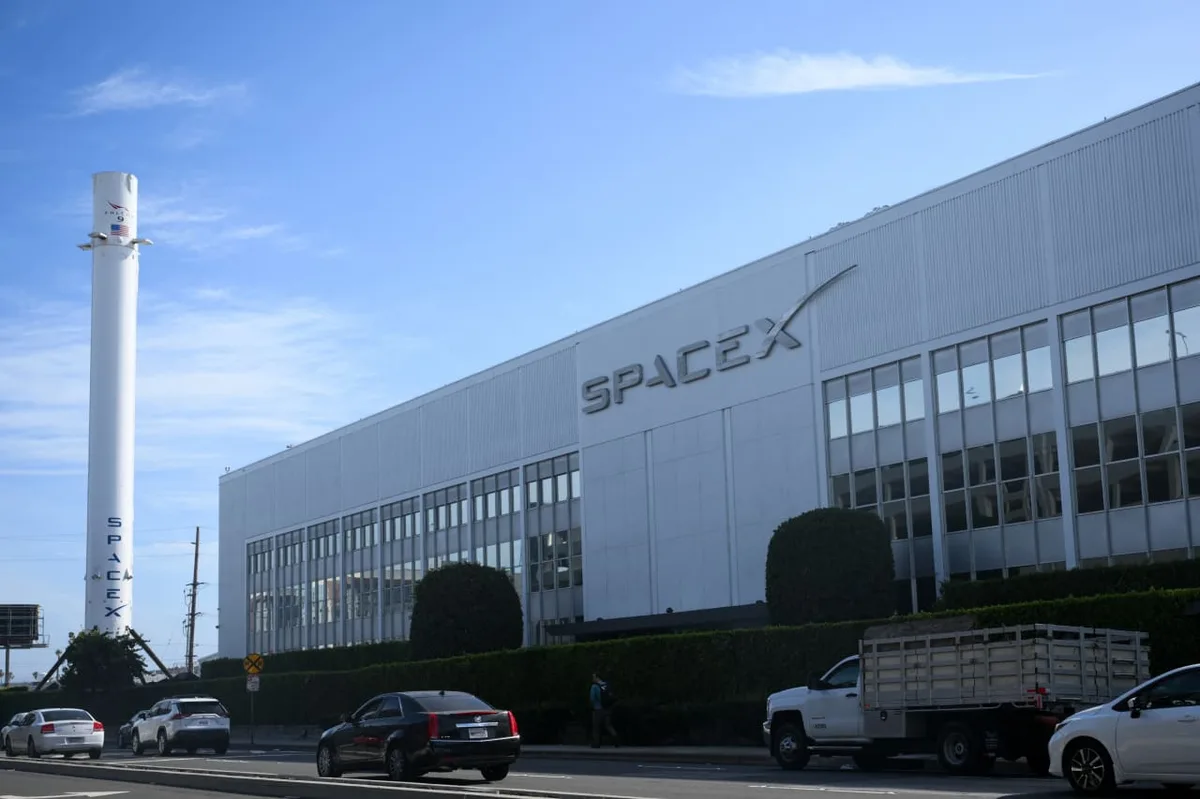
SpaceX has long been synonymous with rocket launches and satellite constellations, but a new Wall Street thesis is positioning the Elon Musk-led company as a serious contender in the artificial intelligence infrastructure race — one whose valuation may not yet reflect that potential. An analyst at Oppenheimer has laid out a case that SpaceX stock could double, anchored in the company's accelerating investment in computing infrastructure and its ability to command top-tier prices for that capacity.
The core of the argument is straightforward but consequential: SpaceX is building out AI computing resources at a pace that rivals, and in some respects outstrips, what traditional cloud and data-center operators are delivering. That speed of deployment matters enormously in a market where demand for GPU-dense infrastructure is chronically outpacing supply, giving any credible provider unusual pricing leverage.
Read more Bitcoin Eyes Third Consecutive Winning Week Amid Market Turmoil →
Equally telling is who is paying. According to the Oppenheimer analysis, major technology companies — precisely the players with the deepest pockets and the most urgent need for compute — are entering into agreements with SpaceX and paying handsomely for access. That customer profile is analytically significant: enterprise-grade contracts with Big Tech signal not just near-term revenue but durable, recurring demand that investors typically reward with premium multiples.
The broader implication is that SpaceX is quietly executing a vertical integration play that few anticipated. Its Starlink satellite network already provides global connectivity; layering AI compute on top of that infrastructure could create a flywheel effect — more data, more processing capacity, more value — that extends the company's competitive moat well beyond aerospace. For private-market investors tracking a potential IPO, this thesis reframes SpaceX not merely as a launch company but as a full-stack technology platform.
Whether the bull case materializes depends on execution speed, regulatory conditions, and how aggressively hyperscalers ultimately invest in their own proprietary infrastructure. Still, the Oppenheimer note underscores a growing conviction that the next chapter of the AI infrastructure story may be written partly from orbit. Continue reading at MarketWatch.com