Iran Conflict Clouds G7 Summit But Hard Talk Unlikely in France
Economic uncertainty from Trump's Iran confrontation looms over the G7 gathering, yet allied leaders are expected to sidestep direct confrontation.

The specter of a widening military confrontation with Iran is casting a long shadow over the Group of Seven summit in France, injecting a fresh layer of economic anxiety into a meeting of the world's leading democratic economies. Oil markets, global supply chains, and investor confidence are all sensitive pressure points that a sustained Iran conflict could aggravate — and G7 finance ministers and heads of state are well aware of the risks.
Yet awareness does not always translate into action, particularly when the source of tension is a fellow G7 member. With the United States under the Trump administration driving the confrontation with Tehran, allied governments face a familiar diplomatic bind: how to express concern without provoking a public rupture with Washington. That calculus has historically led to carefully worded communiqués that paper over deep disagreements rather than resolve them.
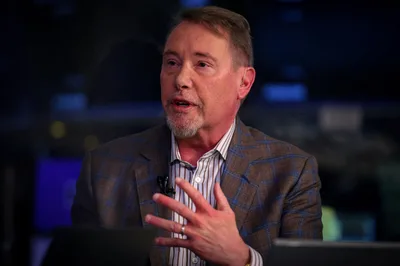
Read more Gundlach: Fed's Warsh Won't Be the Easy-Money Chief Markets Wanted →
The broader economic context makes the stakes unusually high. G7 economies were already navigating uneven growth, persistent inflation pressures, and the lingering aftershocks of earlier trade disputes. A serious escalation in the Middle East — one that disrupts oil flows through the Strait of Hormuz or triggers a regional spillover — could materially worsen the outlook for all seven nations simultaneously, regardless of which government initiated the confrontation.
European members of the G7, in particular, have long-standing economic and diplomatic ties to the region and have historically favored engagement over confrontation with Iran. Their reluctance to openly challenge Trump at the summit table reflects not indifference but a strategic calculation that private dialogue is more likely to produce results than public friction — a bet that critics argue has repeatedly failed to constrain American unilateralism.
The summit in France thus becomes another test of whether the G7 format retains meaningful cohesion or functions primarily as a backdrop for managed disagreement. Observers watching for signals about allied unity on Iran, energy security, and economic resilience will need to read between the lines of whatever joint statement emerges. Continue reading at Reuters.